Newborn Essentials: What You Actually Need
The average baby registry has over 100 items on it. Your newborn needs maybe 25. The baby product industry is very good at making you feel like you need a special version of everything, but the reality is that babies in the first three months need surprisingly little: a safe place to sleep, a way to eat, diapers, a few outfits, and you. Everything else is a bonus.
Disclosure: This post includes affiliate links, which means BabyNerd may earn a commission if you buy something. Your price stays the same. More details here.
How to Use This Checklist
We organized every category into three tiers. Essential items are things the vast majority of families use daily in the first three months. Nice to Have items are genuinely useful but not required from day one. You can add them later once you know your baby’s temperament and your own routines. You Can Probably Skip items are commonly registered for but frequently cited by parents as unnecessary or rarely used.
One thing to keep in mind: every baby is different. An item that one parent considers life-changing might collect dust in your house. When in doubt, wait. You can order almost anything online and have it within a day or two.
Sleep
Essential
- Crib or bassinet. Your baby needs a firm, flat sleep surface that meets current CPSC safety standards. A full-size crib works from day one and lasts through toddlerhood, so some families skip the bassinet entirely. If you want baby close to your bed for night feeds, a bassinet is convenient for the first four to six months. → How to choose a crib | How to choose a bassinet
- Firm crib mattress. Must fit snugly in the crib with no gaps. Many cribs come with a mattress, but check the fit. → Newton vs Naturepedic crib mattress comparison
- 2 to 3 fitted crib sheets. You will change these more often than you think. Buy at least two so you always have a clean one ready.
- Waterproof mattress protector. Goes under the fitted sheet. Saves the mattress from blowouts and spit-up.
- 2 to 3 swaddles or sleep sacks. The American Academy of Pediatrics (AAP) recommends wearable blankets instead of loose blankets in the crib. Swaddles work well for newborns who like to be snug. Sleep sacks are the next step once baby starts showing signs of rolling.
Nice to Have
- Sound machine. Many parents report that white noise helps newborns sleep longer stretches. Place it at least 7 feet from the crib and keep the volume under 50 decibels (about the level of a quiet conversation).
- Blackout curtains. Helpful for daytime naps and early morning wakeups. Not strictly necessary, but consistently recommended by parents of light sleepers.
- Baby monitor. If baby sleeps in a separate room, a monitor provides peace of mind. If your bassinet is next to your bed for the first few months, you may not need one right away. → How to choose a baby monitor | Most popular baby monitors in 2026
You Can Probably Skip
- Crib bumpers. The CPSC banned the sale of padded crib bumpers in 2022 due to suffocation and entrapment risks. Do not use them.
- Crib mobiles. Cute but not needed for sleep. They can become a distraction (or a hazard once baby starts reaching for them around 4 to 5 months).
- Wedges, positioners, and nests. Not recommended by the AAP. A firm, flat surface with nothing else in it is the recommended sleep setup.
Feeding
Essential
- If breastfeeding or chestfeeding: nursing pillow, breast pads, and nipple cream. A supportive pillow reduces arm fatigue during feeds. Breast pads (disposable or washable) manage leaking. Lanolin or a similar nipple cream helps with soreness in the early weeks.
- If formula feeding: bottles, formula, and a bottle brush. Start with 4 to 6 bottles. Newborns eat 8 to 12 times per day in the first weeks. → How to choose baby bottles | Dr. Brown’s vs Philips Avent comparison
- If pumping: a breast pump. Most insurance plans cover a breast pump at no cost under the Affordable Care Act. Check with your insurance provider before purchasing one out of pocket. → How to choose a breast pump | Elvie Stride vs Willow Go comparison
- Burp cloths (6 to 8). Muslin cloths work well and double as light blankets, nursing covers, and cleanup rags.
Nice to Have
- Bottle warmer. Convenient but not required. You can warm bottles in a bowl of warm water. Some babies take cold or room-temperature bottles without issue.
- Drying rack. Keeps bottles and pump parts organized. A clean towel on the counter works too.
- Extra pump parts. If you are pumping regularly, having a second set of flanges and valves saves time on washing.
You Can Probably Skip
- Bottle sterilizer. According to the CDC, sterilizing is only necessary before first use and for babies who are premature or immunocompromised. After that, regular washing with soap and hot water is sufficient.
- Formula mixer or pitcher. Helpful once you are making large batches, but not needed in the newborn phase when you are making small amounts.
- Baby food maker. Your baby will not eat solids until around 6 months. When the time comes, a regular blender works.
Diapering
Essential
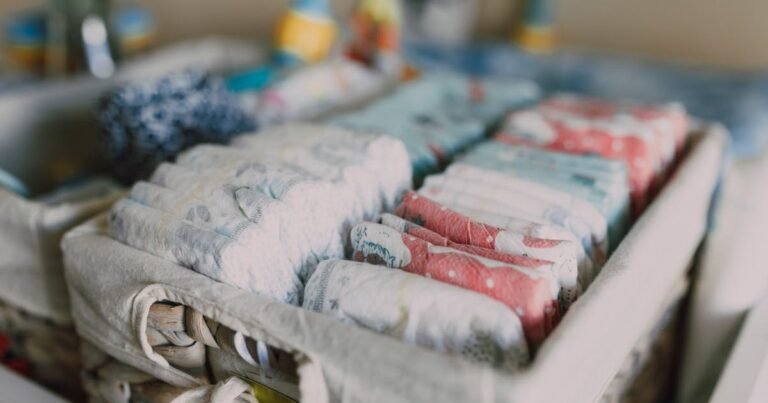
- Diapers (newborn and size 1). Newborns go through 8 to 12 diapers per day. Stock up on newborn size, but do not overbuy. Some babies skip newborn size entirely and go straight to size 1. Disposable or cloth, your call.
- Wipes (fragrance-free). Sensitive skin is the norm for newborns. Fragrance-free, alcohol-free wipes reduce the chance of irritation.
- Diaper cream. A barrier cream with zinc oxide prevents and treats diaper rash. You will use this.
- Changing pad. A waterproof changing pad for the dresser top or floor. Does not need to be fancy.
Nice to Have
- Diaper pail. Contains odors better than a regular trash can. If your diaper changing station is near a living area, this is worth considering.
- Portable changing pad. Folds up for the diaper bag. Useful for changes on the go.
- Cloth diaper supplies (if using cloth). You will need 24 to 36 cloth diapers, covers, liners, a wet bag, and a diaper sprayer. The upfront cost is higher but the long-term cost is lower.
You Can Probably Skip
- Wipe warmer. Consistently cited by parents as an item they never used or that dried out their wipes. Babies adjust to room-temperature wipes quickly.
- Dedicated changing table. A changing pad on top of a dresser serves the same purpose and gives you furniture that lasts beyond the diaper years.
Clothing
Essential
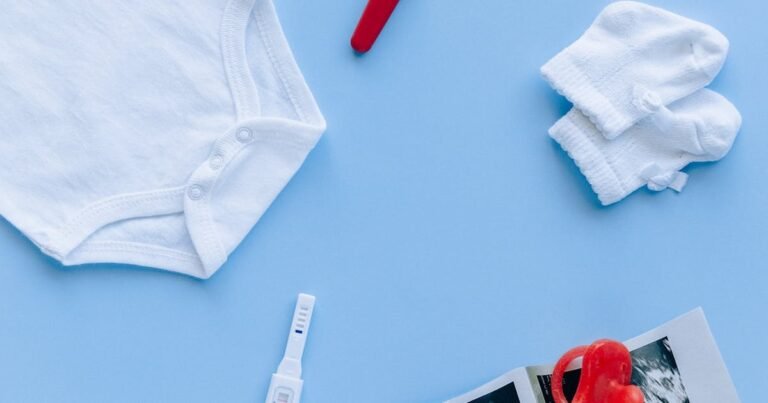
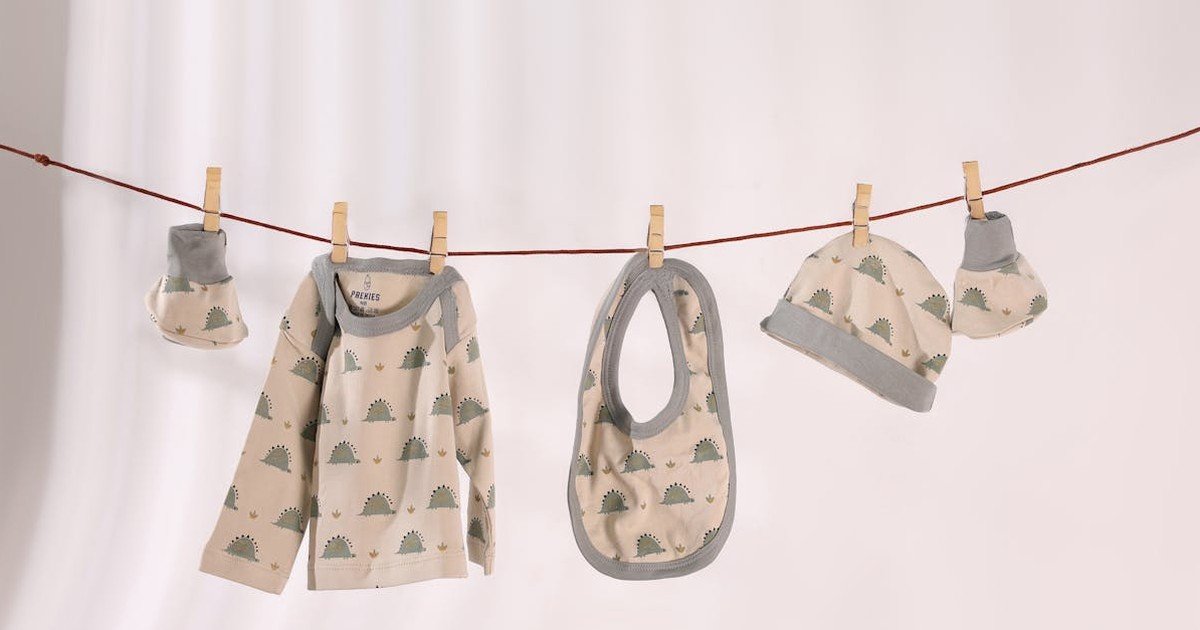
- 6 to 8 onesies or bodysuits (newborn and 0 to 3 months). These are the workhorse of newborn wardrobes. Snap or zip closures make diaper changes easier.
- 4 to 6 sleepers or footie pajamas. Zip-front pajamas are widely preferred by parents over snap-front for nighttime changes. Magnetic closures are another option, though they cost more.
- 2 to 3 hats. Newborns lose heat through their heads. A lightweight hat for indoors and a warmer one for outings (season-dependent).
- Socks or booties (3 to 4 pairs). If your sleepers do not have built-in feet. Fair warning: baby socks fall off constantly.
- A warm outer layer (season-dependent). A fleece suit or bunting for cold weather. For warm climates, a light cotton layer is enough.
Nice to Have
- Scratch mittens. Newborn nails are sharp and grow fast. Some onesies have built-in fold-over cuffs that serve the same purpose.
- A few “nice” outfits. For photos, visitors, or outings. Keep these minimal. Babies grow out of sizes quickly.
You Can Probably Skip
- Baby shoes. Babies do not walk. Socks and footed pajamas are enough. Save shoes for when your child is actually standing.
- Excessive newborn-size clothing. Many babies wear newborn size for only two to four weeks. Buy a small amount and have 0 to 3 month sizes ready.
- Jeans, dresses, or formal outfits. Cute for photos, uncomfortable for a baby who mostly lies down. Soft stretchy fabrics are what newborns need.
Gear and Travel
Essential
- Car seat. Required to bring baby home from the hospital. An infant car seat (rear-facing) is the standard starting point, though some families start with a convertible car seat that grows with the child. → How to choose a car seat | Most popular car seats in 2026
- Stroller. A travel system (car seat plus stroller frame) is a popular starting combo. If you live in a walkable area, you will use this daily. If you drive everywhere, you may use it less than you think. → How to choose a stroller | Most popular strollers in 2026
Nice to Have
- Baby carrier or wrap. Hands-free carrying is helpful for fussy babies and for getting things done around the house. Many parents consider this more useful than a stroller in the early weeks.
- Diaper bag. A bag with multiple compartments makes outings easier, but any large bag or backpack works.
- Portable car seat cover or canopy. Shields baby from sun, wind, and well-meaning strangers. Not required but appreciated.
You Can Probably Skip
- Stroller accessories (cup holder, phone mount, organizer). Most of these come loose, break, or go unused. Buy them later if you find you need them.
- A second car seat base for day one. Useful if two caregivers regularly drive the baby in different cars. But not needed from the start.
Bath and Health
Essential
- Baby bathtub. A basic one with a newborn sling insert. You will use this for sponge baths and then tub baths for several months. No need for temperature sensors, sprayers, or built-in toys.
- Baby wash and shampoo. Fragrance-free, tear-free. One bottle of a combined wash and shampoo is enough to start.
- Soft washcloths (4 to 6). For bathing and wiping spit-up.
- Hooded towels (2 to 3). Keep baby warm after baths.
- Rectal thermometer. The AAP recommends rectal temperature readings for infants under 3 months because they are the most accurate. A fever in a newborn (100.4 degrees F or higher) is a medical situation that requires prompt attention.
- Baby nail clippers or file. Newborn nails grow surprisingly fast and are sharp. An emery board or baby nail file is the gentlest option.
- Infant pain reliever (as recommended by your pediatrician). Do not administer any medication to a newborn without consulting your pediatrician first. Have infant acetaminophen (Tylenol) on hand for when your doctor says it is appropriate, typically after 2 months.
Nice to Have
- Nasal aspirator (bulb syringe or NoseFrida-style). Newborns cannot blow their noses. If your baby gets congested, this helps. Many hospitals send you home with a bulb syringe.
- Baby lotion. For dry skin, especially in winter. Not all babies need it. Fragrance-free is preferred.
- Medicine dispenser syringe. Makes dosing easier when the time comes.
You Can Probably Skip
- Baby-specific first aid kits. Most contain items you already have (bandages, tweezers) plus items sized for older children. Build your own with the basics your pediatrician recommends.
- Bath thermometer. Your elbow or wrist can tell you if the water is warm enough. The water should feel warm, not hot.
Budget Planning
| Budget Tier | Estimated Gear Cost (One-Time) | Approach |
|---|---|---|
| Budget-Conscious | $800 to $1,500 | Stick to essentials only. Buy secondhand where safe (clothing, carriers, non-recalled cribs). Accept hand-me-downs. Skip nice-to-haves until you know what you need. |
| Mid-Range | $1,500 to $3,500 | New essentials with some quality upgrades (a stroller you enjoy using, a good baby carrier). Selective nice-to-haves. |
| Premium | $3,500 to $7,000+ | Premium brands across categories. Smart monitors, high-end stroller systems, designer nursery furniture. |
Estimates based on 2025-2026 pricing data from major retailers. Actual costs vary by brand, retailer, and region. These figures cover one-time gear purchases only and do not include ongoing costs like diapers, formula, or childcare.
For a more detailed breakdown by category, see our baby gear budget guide.
What NOT to Buy Right Away
These items are frequently registered for but rarely needed in the first three months:
- High chair. Your baby will not use this until starting solids around 6 months. Wait and see what works for your space. → How to choose a high chair
- Baby food maker. A regular blender does the same thing. And solids are months away.
- Elaborate nursery decor. Your baby does not care about wall art. Prioritize a safe sleep environment over aesthetics.
- Toys. Newborns interact primarily with caregivers. Simple high-contrast cards or a rattle are enough. Save the toy budget for 3 to 6 months and beyond.
- Baby shoes. Worth repeating: babies do not walk.
FAQ
How many of each clothing item do I really need?
For the first 3 months: 6 to 8 onesies, 4 to 6 sleepers, 2 to 3 hats, and 3 to 4 pairs of socks. Newborns are messy, so plan for daily outfit changes, but you will do laundry frequently enough that you do not need a massive wardrobe.
Do I need a bassinet and a crib?
No. A crib works from birth. A bassinet is convenient for having baby nearby at night during the first months but is not required. If budget is a concern, skip the bassinet and go straight to a crib in your room. → When to switch from bassinet to crib
Is it safe to buy baby gear secondhand?
For most items, yes. Clothing, carriers, strollers (check for recalls), toys, and bathtubs are generally safe to buy used. However, the CPSC and AAP recommend buying car seats and cribs new unless you can verify the full history (no recalls, no accidents for car seats, and current safety standards for cribs). Never use a car seat that has been in a crash or is past its expiration date.
What if my baby arrives early and I am not ready?
Focus on the true essentials: a car seat, a safe sleep space, diapers, and feeding supplies. Everything else can be ordered online or picked up by a friend or family member. Babies are resilient, and you do not need a fully stocked nursery on day one.
Should I stock up on diapers before the baby arrives?
Have one to two packs of newborn-size diapers and one pack of size 1 ready. Do not stockpile. Some babies are sensitive to certain brands, and some skip newborn size entirely. Buy in bulk once you know what works for your baby.
This checklist reflects common parent-reported essentials and recommendations from pediatric organizations as of March 2026. Individual needs vary based on climate, living situation, feeding plans, and personal preferences.
*BabyNerd has not independently tested these products.*