Baby Gear Budget Guide: What to Spend by Category
The baby product industry would love you to believe that your child needs a top-of-the-line smart bassinet, a premium stroller, and a wearable monitor before they even arrive. Some of those products are genuinely useful. Most of them are not required. The gap between “what a baby needs” and “what companies want to sell you” is wide, and this guide exists to help you figure out where to put your money and where to hold back.
Disclosure: This post includes affiliate links, which means BabyNerd may earn a commission if you buy something. Your price stays the same. More details here.
How This Guide Works
We break down baby gear spending into three tiers across every major category:
- Budget-Conscious ($1,000 to $2,000 total gear): Focuses on safety essentials, secondhand where appropriate, and skipping anything nonessential.
- Mid-Range ($2,500 to $5,000 total gear): New essentials with selective upgrades in categories that affect daily quality of life (stroller, car seat, sleep setup).
- Premium ($5,000 to $10,000+ total gear): Top-tier products across categories. Higher-end materials, smart features, and brand-name pieces.
These are one-time gear costs only. They do not include ongoing expenses like diapers ($70 to $100 per month), formula ($100 to $300 per month if used), or childcare. Total first-year costs, including recurring expenses, typically range from $12,000 to $25,000+, according to financial planning data from 2025 and 2026.
Car Seats
| Tier | Price Range | What You Get |
|---|---|---|
| Budget | $80 to $180 | Meets the same federal safety standards as premium options. Fewer convenience features (less plush padding, heavier, fewer recline positions). Safety is not compromised. |
| Mid-Range | $180 to $350 | Better padding, easier installation, more recline and harness adjustments. Some include travel system compatibility. |
| Premium | $350 to $550+ | Premium fabrics, extended rear-facing weight limits, anti-rebound bars, one-hand adjustments, and longer usability windows. |
Where to spend vs. save: Every car seat sold in the U.S. must meet FMVSS 213 federal safety standards, regardless of price. The difference between a budget car seat and a premium car seat is mostly in convenience features, not safety. That said, a seat that is easier to install is more likely to be installed correctly, which does affect safety in practice.
→ How to choose a car seat | Most popular car seats in 2026 | Nuna RAVA vs Graco 4Ever DLX comparison
Strollers
| Tier | Price Range | What You Get |
|---|---|---|
| Budget | $100 to $250 | Lightweight umbrella or compact strollers. Functional but fewer features (smaller canopy, less suspension, smaller storage basket). |
| Mid-Range | $250 to $600 | Full-featured strollers with better suspension, larger canopies, reversible seats, and travel system compatibility. This is where most families find the value sweet spot. |
| Premium | $600 to $1,500+ | Premium build materials, smoother rides, modular systems that convert from single to double, higher weight capacities, and longer-term usability. |
Where to spend vs. save: If you walk daily or live in a city, a mid-range stroller with good suspension and a compact fold is worth the upgrade. If you mainly drive and only stroll occasionally, a budget option covers your needs. The price jump from mid-range to premium buys you nicer materials and brand cachet, but the functional differences narrow.
→ How to choose a stroller | Most popular strollers in 2026 | Mockingbird vs UPPAbaby Vista comparison
Sleep Setup (Crib, Bassinet, Mattress)
| Tier | Price Range | What You Get |
|---|---|---|
| Budget | $100 to $300 | A CPSC-compliant crib and a basic firm mattress. Simpler designs, fewer finish options. Safety standards are the same regardless of price. |
| Mid-Range | $300 to $700 | Convertible cribs (toddler bed, daybed conversion), better-quality mattresses with organic or breathable options, and a bassinet for the first months. |
| Premium | $700 to $2,000+ | Designer cribs, smart bassinets with automated soothing, premium organic mattresses, and nursery furniture sets. |
Where to spend vs. save: The crib itself does not need to be expensive. Safety standards are the same. A convertible crib at the mid-range price point gives you longer usability. The mattress, however, is one area where spending slightly more for a firm, well-fitting option with good breathability may be worth it, since your baby spends 14 to 17 hours a day on it.
→ How to choose a crib | Most popular cribs in 2026 | Most popular bassinets in 2026
Baby Monitors
| Tier | Price Range | What You Get |
|---|---|---|
| Budget | $30 to $100 | Audio-only monitors or basic video monitors with a dedicated screen. No WiFi dependency, which means no app subscriptions and no hacking risk. |
| Mid-Range | $100 to $250 | Video monitors with better cameras, night vision, room temperature display, and two-way talk. Some offer WiFi connectivity with app access. |
| Premium | $250 to $500+ | Smart monitors with HD video, sleep tracking, breathing and movement monitoring, and cloud-based analytics. Often require ongoing subscriptions. |
Where to spend vs. save: A basic video monitor does the job for most families. Smart monitors with breathing and movement tracking provide data, but the AAP has not endorsed consumer wearable monitors as medical devices. They can also generate false alarms that increase parental anxiety. If peace of mind through data appeals to you, they are an option. Just know they are not a substitute for safe sleep practices.
→ How to choose a baby monitor | WiFi vs non-WiFi baby monitors | Most popular baby monitors in 2026
Feeding Supplies
| Tier | Price Range | What You Get |
|---|---|---|
| Budget | $50 to $150 | Basic bottles, a manual breast pump (if needed), burp cloths, and a bottle brush. Covers the essentials for any feeding approach. |
| Mid-Range | $150 to $400 | Anti-colic bottles, an electric breast pump (often covered by insurance), a drying rack, and a nursing pillow with good support. |
| Premium | $400 to $800+ | Wearable breast pumps, premium bottle systems, a high-end nursing pillow, and a bottle warmer or sterilizer combo. |
Where to spend vs. save: Check your insurance coverage for a breast pump before spending anything out of pocket. Most plans cover an electric pump. Bottles are trial-and-error since babies have preferences. Buy a small starter set and see what your baby takes before committing to a full system.
→ How to choose a breast pump | How to choose baby bottles | Spectra S1 vs Medela Pump in Style comparison
Clothing and Diapering
| Tier | Price Range (First 3 Months) | What You Get |
|---|---|---|
| Budget | $50 to $150 | Secondhand or basic-brand onesies and sleepers, store-brand diapers and wipes, a basic changing pad. |
| Mid-Range | $150 to $350 | New clothing from mid-range brands, name-brand diapers, a diaper pail, and a nicer changing pad setup. |
| Premium | $350 to $700+ | Organic cotton clothing, cloth diapering system, designer baby outfits, and premium diaper bag. |
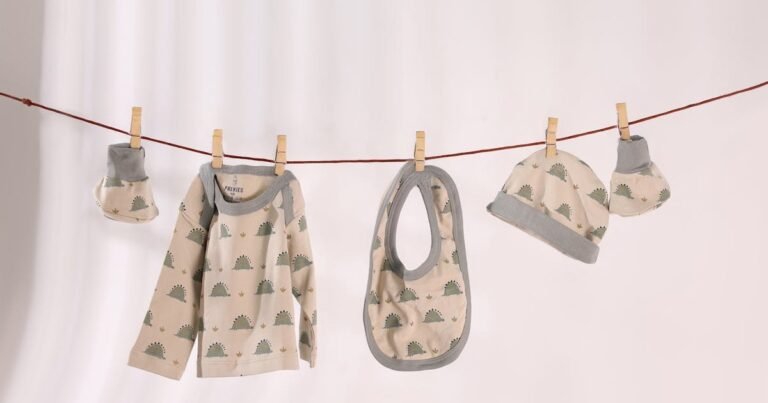
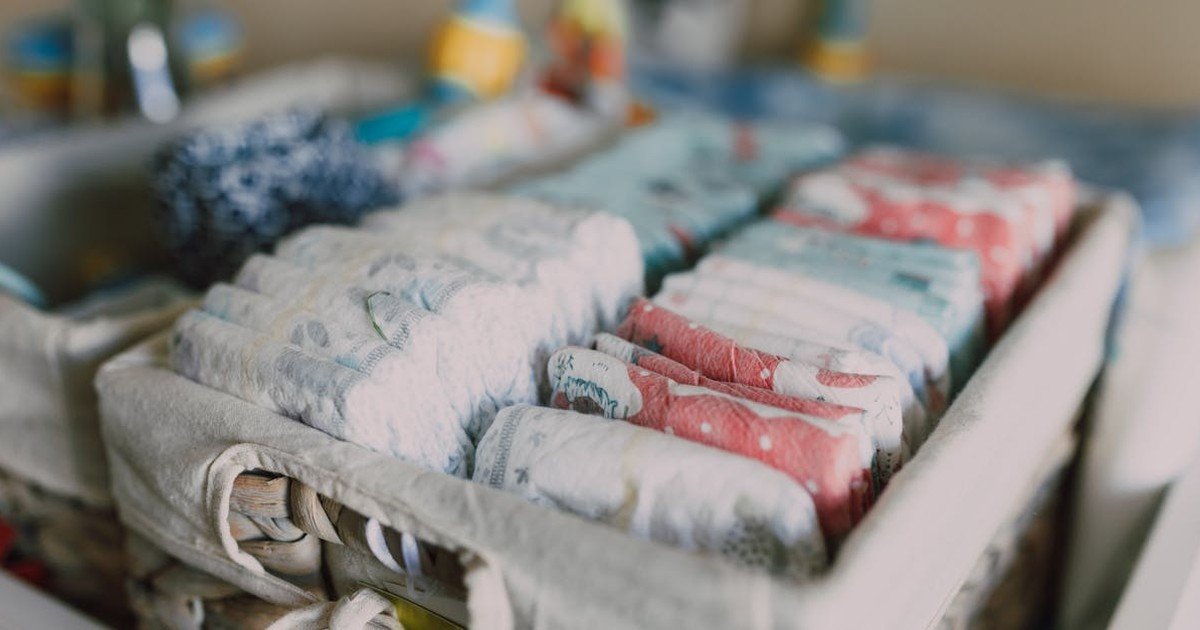
Where to spend vs. save: Baby clothing is one of the lowest-risk and most rewarding categories to buy secondhand. Babies outgrow clothes in weeks. Thrift stores, consignment sales, and parent groups are excellent sources. For diapers, store-brand disposables perform comparably to name brands in parent surveys. Try a small pack before committing to bulk purchases.
The Full Budget Overview
| Category | Budget | Mid-Range | Premium |
|---|---|---|---|
| Car Seat | $80 to $180 | $180 to $350 | $350 to $550+ |
| Stroller | $100 to $250 | $250 to $600 | $600 to $1,500+ |
| Sleep Setup | $100 to $300 | $300 to $700 | $700 to $2,000+ |
| Baby Monitor | $30 to $100 | $100 to $250 | $250 to $500+ |
| Feeding | $50 to $150 | $150 to $400 | $400 to $800+ |
| Clothing and Diapering | $50 to $150 | $150 to $350 | $350 to $700+ |
| Bath and Health | $30 to $60 | $60 to $150 | $150 to $300+ |
| Estimated Total | $440 to $1,190 | $1,190 to $2,800 | $2,800 to $6,350+ |
Estimates based on 2025-2026 retail pricing. Actual costs vary by brand, retailer, region, and sales. These figures cover one-time gear purchases and do not include ongoing monthly expenses.
What Is Safe to Buy Secondhand
Buying used gear can save 50 to 80% on many categories. But not everything is safe to buy secondhand. Here is the breakdown:
Safe to Buy Used
- Baby clothing. Wash before use. Check for loose buttons, broken snaps, or drawstrings (a strangulation hazard on some older items).
- Toys. Clean thoroughly. Avoid anything with chipped paint (lead risk on older toys) or small parts that could be a choking hazard.
- Books. No safety concerns. Wipe down board books.
- Strollers. Check the CPSC recall database by brand and model. Inspect for broken buckles, torn fabric, or compromised frames. Make sure the folding mechanism locks securely.
- Baby carriers and wraps. Inspect stitching and buckles. Check for recalls.
- Bathtubs. Plastic tubs are simple to sanitize. Check for cracks or mold.
- Bouncer seats and swings. Check for recalls and inspect harness straps.
- High chairs. Inspect the harness, tray latch, and frame stability. Check for recalls.
Buy New or With Caution
- Car seats. The NHTSA recommends against used car seats unless you know the full history: no crashes, not expired, not recalled, and all parts intact. A car seat’s internal structure can be damaged in a collision without visible signs. When in doubt, buy new.
- Cribs. Current CPSC safety standards (updated in 2011) prohibit drop-side cribs and require more stringent hardware specifications. If buying used, verify the crib meets current standards, has not been recalled, and has all original hardware. Missing parts compromise structural integrity.
- Crib mattresses. A used mattress may have mold, bacteria, or structural degradation that is not visible. If using a secondhand mattress, inspect it carefully for firmness, sagging, and cleanliness. Some pediatric guidelines recommend new mattresses for each child.
- Breast pumps. Open-system pumps (where milk can back up into the motor) should not be shared due to contamination risk. Closed-system pumps with new personal accessory kits may be acceptable, but check the manufacturer’s guidance.
Do Not Buy Used
- Helmets. Structural integrity cannot be verified after previous impacts.
- Recalled items of any kind. Check the CPSC recall list before buying anything secondhand.
Five Ways to Reduce Baby Gear Costs
- Use your insurance for a breast pump. Most plans cover an electric pump under the Affordable Care Act. Call your insurance provider in your third trimester to arrange delivery.
- Accept hand-me-downs for clothing. Babies wear each size for weeks, not months. Used clothing is often barely worn.
- Skip the nursery set. A crib and a dresser with a changing pad on top is all you need for furniture. Matching sets with a bookshelf, rocking chair, and side table are nice but optional.
- Wait before buying “nice to haves.” You will not know what you need until baby arrives. A sound machine might be life-changing for your baby or completely ignored. Buy reactively, not proactively, for anything beyond essentials.
- Watch for retailer trade-in events. Several major retailers run car seat trade-in programs where you bring in an old or expired seat and receive a discount on a new one. These typically happen a few times per year.
FAQ
How much should I budget for baby gear before the baby arrives?
For gear only (not including diapers, formula, or childcare), budget-conscious families typically spend $800 to $1,500. Mid-range setups run $2,000 to $4,000. Premium gear can exceed $6,000 to $10,000. The wide range reflects the difference between buying essentials only versus outfitting a full nursery with top-tier products.
Is expensive baby gear safer than budget options?
Not necessarily. All car seats sold in the U.S. must meet the same federal safety standard (FMVSS 213). All cribs must meet CPSC safety standards. Price differences come down to convenience features, materials, and brand positioning. A $100 car seat that is installed correctly is safer than a $500 car seat that is installed incorrectly.
What is the one thing worth spending more on?
That depends on your daily routine. Parents who walk frequently tend to value a mid-range stroller with good suspension. Parents who drive a lot tend to value an easy-to-install car seat. Spending more on the item you use most often gives you the highest return on investment.
Should I wait for sales to buy baby gear?
If your timeline allows it, yes. Major retailers run baby gear sales during events like Prime Day (July), Black Friday, and registry completion discounts. However, do not delay purchasing a car seat or safe sleep setup just to save on a sale. Those are time-sensitive essentials.
How much do diapers cost per month?
For disposable diapers, expect to spend $70 to $100 per month in the newborn phase (8 to 12 changes per day) and $50 to $80 per month as diaper changes decrease. Store-brand diapers typically cost 20 to 30% less than name brands. Cloth diapering has a higher upfront cost ($300 to $600 for a full set) but significantly lower ongoing costs.
Is it worth it to buy a travel system bundle?
Travel systems (car seat plus compatible stroller) often cost less than buying the components separately, and the guaranteed compatibility is convenient. The trade-off is less flexibility in choosing the specific car seat and stroller you prefer. If you are on a budget, a travel system is a practical starting point.
Price ranges based on U.S. retail data as of early 2026. Prices fluctuate by retailer, season, and availability. For product-specific comparisons, see our linked guides above.
*BabyNerd has not independently tested these products.*