
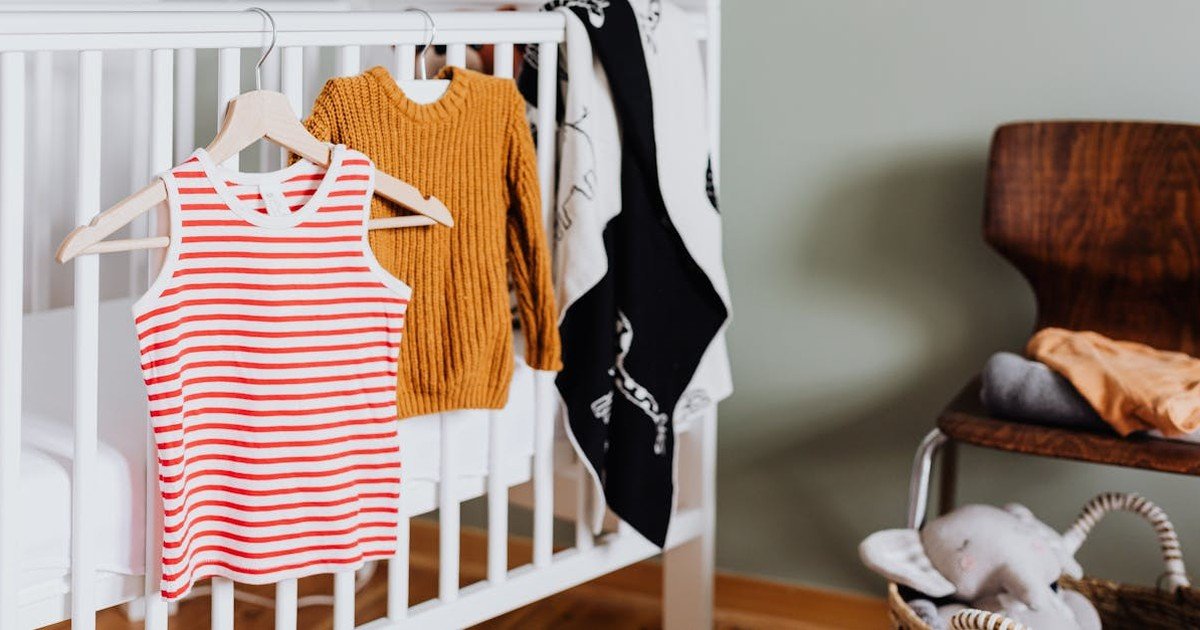
How to Choose a Crib: What Actually Matters
Disclosure: This post contains affiliate links. If you buy through these links, BabyNerd earns a small commission at no extra cost to you. This does not influence our content. Full details on our disclosure page.
This article shares educational information based on published research and safety guidelines. It is not medical advice. For concerns about your child’s health or sleep, consult your pediatrician.
Choosing a crib shouldn’t be complicated, but the sheer number of options makes it feel that way. Do you need the convertible one that transforms into a toddler bed? Is a $700 crib actually safer than a $200 one? What does “JPMA certified” even mean?
Here’s the thing: most cribs on the market today meet the same federal safety standards. The differences come down to construction quality, features, and aesthetics. This guide breaks down what actually matters so you can choose the right crib without the overwhelm.
The 7 Features That Actually Matter
1. CPSC Safety Certification
What it is: The Consumer Product Safety Commission (CPSC) sets mandatory safety standards for all cribs sold in the United States. These rules cover slat spacing, mattress support strength, corner post height, and hardware durability.
Why it matters: As of 2011, federal law requires all cribs to meet strict safety standards. Drop-side cribs are banned. Slats must be no more than 2 3/8 inches apart (to prevent a baby’s head from getting stuck). Mattress supports must withstand at least 50 pounds of downward force.
What to look for: Any new crib sold in the U.S. must meet CPSC standards. JPMA (Juvenile Products Manufacturers Association) certification is optional but adds an extra layer of independent testing. Look for a JPMA seal if you want that reassurance.
Source: CPSC crib safety standards, updated January 2023
2. Adjustable Mattress Height
What it is: Most cribs offer 2 to 4 mattress height positions. The highest setting makes it easier to lift a newborn in and out. Lower settings prevent an older baby from climbing out.
Why it matters: You’ll start with the mattress at the highest position for the first few months. Once your baby can sit up (around 6 months), you’ll lower it to the middle position. When they can pull to stand (around 9-12 months), you’ll drop it to the lowest setting.
What to look for: At least 3 height positions. Check that the adjustment mechanism is straightforward. Some cribs use metal brackets, others use pegs and holes. Metal brackets tend to be more stable but slightly harder to adjust.
3. Slat Material and Spacing
What it is: Crib slats are the vertical bars that make up the sides. They can be solid wood, engineered wood (like MDF), or metal.
Why it matters: Solid wood slats (hardwoods like maple, birch, or beech) are the most durable. Engineered wood is lighter and less expensive but can be less sturdy over time. Federal law requires slats to be no more than 2 3/8 inches apart.
What to look for: Check the slat material in the product specs. Give the crib a shake in the store or check parent reviews for complaints about wobbling. Solid wood construction is worth the extra cost if you plan to use the crib for multiple children.
4. Convertibility
What it is: Convertible cribs transform into toddler beds, daybeds, or full-size beds. Common types: 3-in-1 (crib, toddler bed, daybed), 4-in-1 (adds full-size headboard), and 5-in-1 (adds full-size bed with footboard).
Why it matters: A convertible crib can extend the product’s lifespan from infancy through childhood. But you’ll need to buy a conversion kit (usually sold separately) when you’re ready to make the switch. Some parents never convert and just move their toddler to a regular bed.
What to look for: If you like the idea, check whether the conversion kit is included or sold separately. Look at parent reviews to see how easy the conversion process actually is. Some require tools and an hour of assembly. Others snap together in 15 minutes.
5. Crib Dimensions
What it is: Standard full-size cribs measure approximately 52 inches long by 28 inches wide. Mini cribs are around 38 inches long by 24 inches wide. Portable cribs are similar to mini cribs but designed to fold.
Why it matters: A full-size crib fits a standard crib mattress (52 x 28 inches) and gives your baby room to grow. They typically work until age 2-3. Mini cribs use smaller, less common mattress sizes (38 x 24 inches) and may become cramped sooner. They’re useful for small nurseries or shared spaces.
What to look for: Measure your nursery space before shopping. A full-size crib needs at least 60 x 36 inches of floor space to allow for safe access on all sides. If you’re tight on space, a mini crib can work, but factor in the cost of a non-standard mattress and shorter usable lifespan.
6. Finish and Off-Gassing
What it is: Crib finishes include paint, stain, or natural wood. Some cribs are certified by GreenGuard Gold, which tests for low chemical emissions (VOCs).
Why it matters: Babies spend a lot of time in their cribs. Low-VOC finishes reduce exposure to potentially harmful chemicals. GreenGuard Gold certification means the crib has been tested for over 10,000 chemicals and meets strict indoor air quality standards.
What to look for: Look for GreenGuard Gold certification if low chemical exposure is a priority. Even non-certified cribs typically meet safety standards, but certification offers extra assurance. Expect some initial smell with any new crib. Unbox it and let it air out in a well-ventilated room for 24-48 hours before use.
7. Assembly Ease
What it is: Most cribs require assembly. Complexity ranges from 30 minutes with clear instructions to 2+ hours with confusing diagrams.
Why it matters: You’re likely assembling this while very pregnant or immediately after bringing a newborn home. A crib that takes 3 hours and requires two people plus specialized tools adds unnecessary stress.
What to look for: Check parent reviews for mentions of assembly difficulty. Look for phrases like “took 2 hours,” “missing hardware,” or “instructions were terrible.” Budget cribs sometimes skimp on hardware quality, which can make assembly frustrating. Mid-range cribs often have better instructions and pre-drilled holes that actually align.
What You Can Probably Ignore
Decorative Details
Cribs with curved edges, carved details, or ornate posts look beautiful but don’t affect safety or function. If you love the aesthetic and it fits your budget, go for it. But don’t feel like a simpler design means you’re compromising.
Built-In Storage Drawers
Cribs with built-in drawers underneath sound convenient. In reality, they add significant cost, make the crib heavier to move, and are hard to access once your baby is mobile. A separate dresser or rolling cart is more flexible.
“Heirloom Quality” Marketing
Some cribs are marketed as heirloom pieces designed to last generations. Safety standards change. A crib from 2026 may not meet standards in 2046. Buy a crib that works for your family now, not one designed to be a family relic.
Types of Cribs Explained
Standard Full-Size Cribs
Size: 52 x 28 inches (interior mattress dimensions)
Lifespan: Birth to age 2-3 years (or when child reaches 35 inches tall)
Price range: Budget to premium options available
Best for: Most families with dedicated nursery space
Mini Cribs
Size: 38 x 24 inches (interior mattress dimensions)
Lifespan: Birth to 18-24 months (shorter than standard cribs)
Price range: Generally similar to standard cribs
Best for: Small apartments, shared bedrooms, or as a secondary crib for grandparents
Trade-off: Mini crib mattresses are harder to find and more expensive per square inch than standard crib mattresses. Your baby may outgrow it sooner.
Convertible Cribs (3-in-1, 4-in-1, 5-in-1)
Conversion options: Toddler bed, daybed, full-size bed (depending on model)
Lifespan: Birth through childhood (if converted)
Price range: Mid-range to premium (plus conversion kit costs)
Best for: Parents who want one piece of furniture to grow with their child
Trade-off: Conversion kits are typically sold separately. The conversion process requires tools and time. Some parents find it easier to just buy a toddler bed when the time comes.
Portable/Travel Cribs
Size: Similar to mini cribs but designed to fold flat
Lifespan: Birth to 2-3 years (check weight limits, often 30 lbs)
Price range: Budget to mid-range
Best for: Travel, visiting grandparents, or temporary sleeping spaces
Trade-off: Less sturdy than standard cribs. Mattresses are thinner. Not ideal as a primary crib for daily use.
Common Mistakes to Avoid
Accepting a Used Crib Without Checking Safety Standards
Cribs manufactured before June 2011 do not meet current federal safety standards. Drop-side cribs were banned in 2011 due to safety risks. If someone offers you a hand-me-down crib, check the manufacture date (usually on a label inside the crib or on the box). If it’s pre-2011 or has a drop-side, decline it.
Buying the Crib Before Measuring the Nursery
A standard crib takes up about 60 x 36 inches of floor space. You also need clearance to walk around it, open dresser drawers, and use a changing table. Measure your room first. Sketch out where furniture will go. Then shop for a crib that fits.
Skipping the Mattress Quality
You can buy a perfectly safe crib for a reasonable price. But don’t cheap out on the mattress. Your baby will spend 12-16 hours a day on it. A firm, breathable mattress that fits snugly (no more than two fingers’ width of gap between mattress and crib frame) is critical for safe sleep. See our mattress comparison guide for more details.
Assuming a Higher Price Means Better Safety
Once a crib meets CPSC standards, a more expensive crib is not safer than a budget crib. The price difference reflects materials (solid wood vs. engineered wood), finishes (hand-applied stain vs. spray paint), brand reputation, and aesthetics. Buy what fits your budget. Safety is non-negotiable, but you don’t have to spend a fortune to get it.
How to Check for Recalls
Even cribs that met safety standards at the time of manufacture can be recalled due to defects. Before buying any crib (new or used), check the CPSC recall database:
- Go to cpsc.gov/Recalls
- Search for the crib brand and model number
- Sign up for CPSC recall alerts to get notified if your crib is recalled after purchase
Recalled cribs often have free repair kits or replacement parts available. Don’t assume a crib is safe just because it’s being sold in a store. Retailers sometimes continue selling recalled items by mistake.
Questions to Ask Yourself Before Buying
- How long do you plan to use this crib? If you’re planning multiple children close in age, a durable standard crib makes sense. If this is your only child and you prefer transitioning to a toddler bed early, a simpler crib may work fine.
- How much space do you have? Measure the nursery. A full-size crib may overwhelm a small room. A mini crib comparison can help you weigh compact options.
- Will you move the crib frequently? If you plan to move the crib between rooms or homes, consider weight and whether it has wheels. Standard cribs can weigh 50-80 lbs assembled.
- Do you care about convertibility? Be honest. Many parents buy convertible cribs and never actually convert them. If you think you’ll use the toddler bed conversion, check whether the kit is included or sold separately.
- What’s your budget? Safe cribs are available at every price point. Decide what you’re comfortable spending, then filter your search. See our most popular cribs guide for options across price ranges.
Safe Sleep Guidelines (AAP)
Choosing a safe crib is the first step. Using it correctly is equally important. The American Academy of Pediatrics (AAP) recommends:
- Back to sleep: Always place your baby on their back to sleep, for naps and at night.
- Firm mattress: Use a firm, flat surface with a fitted sheet. No soft bedding, pillows, or bumper pads.
- Room sharing without bed sharing: Keep the crib in your room for at least the first 6 months (ideally the first year), but your baby should sleep in their own crib, not in your bed.
- No loose items: The crib should contain only the baby, mattress, and fitted sheet. No blankets, stuffed animals, or positioning devices.
Source: AAP Safe Sleep Recommendations, updated June 2022
For a detailed breakdown of safe sleep practices, see our AAP safe sleep guide.
When to Transition to a Crib
Many newborns start in a bassinet for the first few months. It’s smaller, portable, and keeps baby close for nighttime feedings. Most bassinets have weight limits of 15-20 lbs or an age limit of 3-4 months.
Transition to the crib when your baby:
- Reaches the bassinet’s weight or age limit
- Can roll over (a sign they need more space)
- Appears cramped or uncomfortable in the bassinet
For more details on timing the switch, see our guide on when to move from bassinet to crib.
Ready to Compare Specific Cribs?
Now that you know what features matter, you can narrow down your options. These guides compare specific cribs side by side:
- Most Popular Cribs in 2026 (data-driven ranking based on parent reviews and search trends)
- Babyletto Hudson vs IKEA Sniglar Crib (mid-range vs budget comparison)
- Newton vs Naturepedic Crib Mattress (mattress specs compared)
Frequently Asked Questions
What is the safest type of crib?
Any new crib sold in the U.S. must meet CPSC safety standards, which include strict requirements for slat spacing, mattress support strength, and construction. A budget crib that meets CPSC standards is as safe as a premium crib that meets the same standards. Look for JPMA certification for an additional layer of independent testing. The safest crib is one that meets current standards and is used correctly (firm mattress, no loose bedding, baby on back to sleep).
Do I need a convertible crib or is a standard crib fine?
A standard non-convertible crib works perfectly well for most families. Convertible cribs offer the option to transform into a toddler bed or full-size bed, but you’ll need to purchase a conversion kit and spend time reassembling it. Many parents find it easier to transition their toddler to a regular bed when the time comes. Choose a convertible crib if you like the idea of one piece of furniture growing with your child and don’t mind the extra cost and effort of conversion.
How do I know if a crib mattress fits properly?
A properly fitted crib mattress should have no more than two fingers’ width of space between the mattress edge and the crib frame. If you can fit more than two fingers in the gap, the mattress is too small and poses a safety risk (baby’s head or body could become trapped). Standard full-size cribs use 52 x 28 inch mattresses. Mini cribs use 38 x 24 inch mattresses. Always check the crib manufacturer’s specifications for the recommended mattress size.
Are mini cribs safe for newborns?
Yes, mini cribs that meet CPSC safety standards are safe for newborns. The main difference between mini cribs and standard cribs is size, not safety. A mini crib (38 x 24 inches) is smaller than a standard crib (52 x 28 inches), which means your baby may outgrow it sooner (typically by 18-24 months vs 2-3 years for a standard crib). Mini cribs are useful for small spaces but require a less common mattress size, which can be harder to find.
When should I lower the crib mattress?
Lower the crib mattress as your baby becomes more mobile. Start with the mattress at the highest setting for newborns (easier to lift baby in and out). Lower it to the middle position when your baby can sit up independently (around 6 months). Drop it to the lowest setting when your baby can pull to stand (around 9-12 months). The goal is to prevent your baby from climbing or falling out of the crib. If the top rail is less than three-quarters of your baby’s height when standing, it’s time to lower the mattress or transition to a toddler bed.
{
“@context”: “https://schema.org”,
“@type”: “FAQPage”,
“mainEntity”: [
{
“@type”: “Question”,
“name”: “What is the safest type of crib?”,
“acceptedAnswer”: {
“@type”: “Answer”,
“text”: “Any new crib sold in the U.S. must meet CPSC safety standards. A budget crib that meets CPSC standards is as safe as a premium crib that meets the same standards. Look for JPMA certification for an additional layer of independent testing.”
}
},
{
“@type”: “Question”,
“name”: “Do I need a convertible crib or is a standard crib fine?”,
“acceptedAnswer”: {
“@type”: “Answer”,
“text”: “A standard non-convertible crib works perfectly well for most families. Convertible cribs offer the option to transform into a toddler bed or full-size bed, but you’ll need to purchase a conversion kit and spend time reassembling it.”
}
},
{
“@type”: “Question”,
“name”: “How do I know if a crib mattress fits properly?”,
“acceptedAnswer”: {
“@type”: “Answer”,
“text”: “A properly fitted crib mattress should have no more than two fingers’ width of space between the mattress edge and the crib frame. Standard full-size cribs use 52 x 28 inch mattresses. Mini cribs use 38 x 24 inch mattresses.”
}
},
{
“@type”: “Question”,
“name”: “Are mini cribs safe for newborns?”,
“acceptedAnswer”: {
“@type”: “Answer”,
“text”: “Yes, mini cribs that meet CPSC safety standards are safe for newborns. The main difference between mini cribs and standard cribs is size, not safety.”
}
},
{
“@type”: “Question”,
“name”: “When should I lower the crib mattress?”,
“acceptedAnswer”: {
“@type”: “Answer”,
“text”: “Start with the mattress at the highest setting for newborns. Lower it to the middle position when your baby can sit up independently (around 6 months). Drop it to the lowest setting when your baby can pull to stand (around 9-12 months).”
}
}
]
}