Lovevery Play Kit: What Parents Actually Think (2026)
What Parents Are Saying About Lovevery Play Kits: A Review Summary
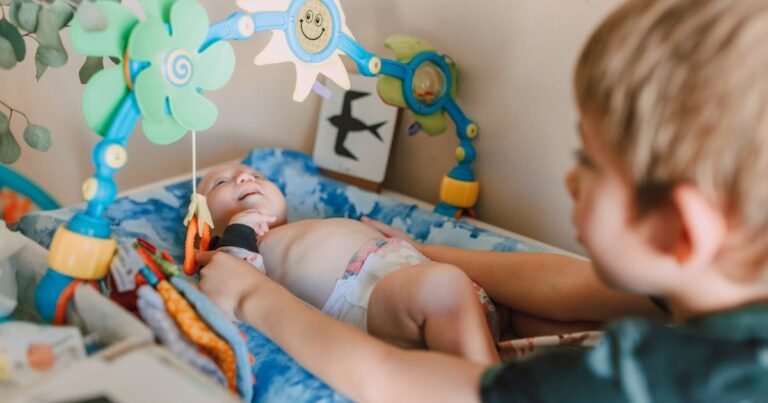
Lovevery Play Kits are subscription boxes that deliver age-matched, Montessori-inspired toys and play guides to your door every 2 to 3 months, covering ages 0 through 4+. The kits are designed by child development experts to align with specific developmental stages, and each box includes a detailed play guide explaining how to use the included items.
Disclosure: This content contains affiliate links. Purchases made through these links may earn BabyNerd a small commission. You pay the same price either way. Our full disclosure policy.
This summary aggregates parent reviews from Amazon, Reddit, Trustpilot, and parenting publications as of March 2026. The goal is to present an honest, balanced picture of what parents actually experience with Lovevery, covering product quality, developmental value, cost, and subscription management.
Overview
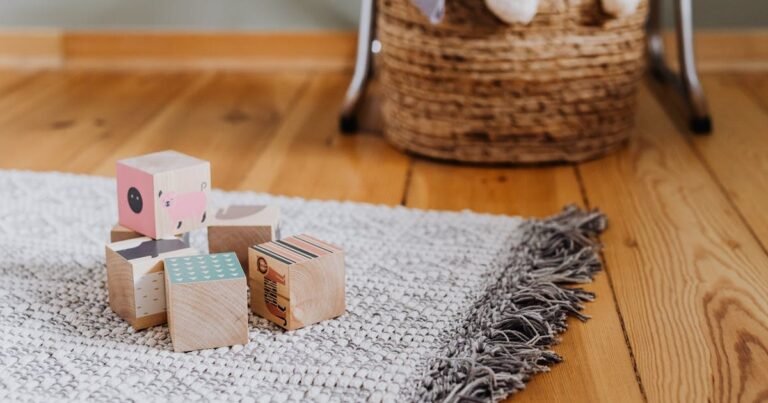
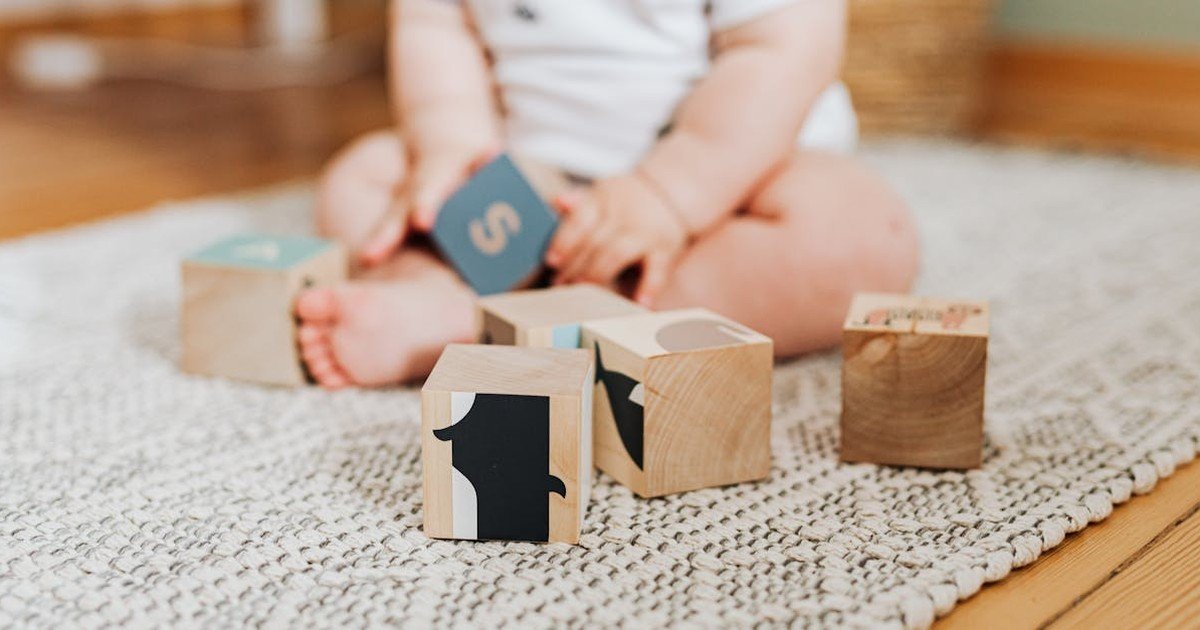
Lovevery Play Kits are subscription-based toy kits delivered every 2 months (ages 0 to 12 months) or every 3 months (ages 12 to 48+ months). Each kit contains 5 to 7 toys, a board book, and a printed play guide, all designed around Montessori-inspired developmental milestones for the target age window. Materials include FSC-certified sustainably sourced wood, organic cotton, non-toxic finishes, and food-grade silicone, according to the manufacturer. The company is headquartered in Boise, Idaho.
Key Details at a Glance
| Detail | Value |
|---|---|
| Age range | 0 to 4+ years |
| Delivery frequency | Every 2 months (0 to 12 months), every 3 months (12 months+) |
| Price per kit (0 to 12 months) | Approximately $80 per kit on subscription |
| Price per kit (12 months+) | Approximately $120 per kit on subscription, approximately $138 without subscription |
| Prepay savings | 5 to 10% when prepaying for a full year (reported as approximately $432 for the first year, a $48 savings) |
| Items per kit | 5 to 7 toys plus play guide and board book |
Pricing sourced from Lovevery’s website and Hello Subscription as of March 2026. Actual pricing may vary. Check Lovevery’s site for current rates.
Overall Sentiment Across Platforms
This summary aggregates approximately 200+ individual reviews across platforms, plus community discussion threads, as of March 2026. Lovevery reviews show a notable split between product satisfaction and service satisfaction. Parents tend to rate the physical products and developmental content highly, while customer service and subscription management receive significantly lower marks on some platforms.
| Platform | Rating | Approximate Sample | Primary Focus of Reviews |
|---|---|---|---|
| Trustpilot (lovevery.com) | 1.5 / 5 | ~143 reviews | Heavily weighted toward customer service complaints |
| Trustpilot (lovevery.co.uk) | 2.1 / 5 | Smaller sample | Shipping and service issues |
| Amazon (Play Gym and individual items) | 4.5 to 4.8 / 5 | Thousands of reviews | Product quality and developmental value |
| Reddit (r/Parenting, r/NewParents, r/BabyBumps) | Mixed, leaning positive | Hundreds of threads | Value-for-money debate, product quality praise |
| Parenting blogs and review sites | Generally positive (4 to 4.5 / 5 range) | 50+ published reviews | Product quality, developmental design, play guides |
The Trustpilot score deserves context. Trustpilot tends to attract complaint-driven reviews across subscription services generally. Parents who are satisfied with their kits are less likely to leave a Trustpilot review than those experiencing a shipping delay or cancellation issue. That said, the recurring themes in negative reviews are worth understanding before subscribing.
What Parents Praise Most
Developmental Appropriateness
The most consistent positive theme across all platforms is that the toys arrive matched to what a child is actually doing developmentally. Parents on Amazon and Reddit describe opening a kit and watching their child immediately engage with the included toys because they align with current skills and interests.
The play guides included with each kit explain the developmental purpose behind each toy and offer week-by-week activity suggestions. Parents report finding these guides particularly useful for understanding what their child is working on at each stage. Multiple reviewers on parenting blogs describe the kits as effective at “breaking down developmental milestones into manageable play activities.” First-time parents report the guides are especially helpful because they provide context for age-appropriate expectations without pressure.
Material Quality and Durability
Parents across platforms consistently describe the toys as premium quality. Materials include sustainably sourced wood, organic cotton, and silicone (manufacturer specs). Multiple long-term reviewers (2+ years of subscription) report that Lovevery toys hold up to daily use and survive being passed to younger siblings. One reviewer on a parenting publication noted that after 5 years and 2 children, the toys remained in usable condition.
Several Amazon reviewers compare Lovevery toys to similar items available from other brands and conclude that the Lovevery versions feel more durable and better finished. The wood is described as heavier and smoother than typical alternatives. Silicone components are noted as thick and resistant to heavy teething.
Curated Simplicity and Toy Rotation
Parents who value a minimalist approach to toys report that the subscription removes the guesswork of toy shopping. Each kit includes a limited number of items (typically 5 to 7), which parents say helps avoid toy overwhelm. Several Reddit users describe Lovevery as their primary toy source, using the kits as the foundation of a toy rotation system.
Resale Value
A recurring theme in reviews: Lovevery items hold value well on secondhand marketplaces like Facebook Marketplace, Mercari, and Vinted. Multiple parents report recovering 40 to 60% of the original cost by reselling kits their children have outgrown. This effectively reduces the per-kit cost for families who plan to resell.
Common Complaints
Price and Value Concerns
At approximately $120 per kit for the toddler stage (every 3 months), the annual cost runs approximately $480 per year. Over a full 0 to 48 month subscription, total cost reaches approximately $1,920. This is the most debated topic on Reddit. Some parents feel the cost is justified by the quality and developmental design. Others argue that similar toys can be sourced individually for less, especially from brands like Hape, Melissa & Doug, and PlanToys.
A recurring Reddit discussion involves parents comparing individual Lovevery toys to similar items from other brands. The consensus from these threads is mixed: some items have close alternatives at lower price points, while others (particularly the wooden puzzles and Montessori-inspired items) are difficult to replicate at the same quality level. Multiple reviewers note that sourcing comparable items individually requires significant research time, so the Lovevery value proposition is partly convenience and partly curation.
Customer Service and Subscription Management
This is where Lovevery’s reviews drop significantly. Trustpilot reviews are dominated by complaints about:
- Difficulty canceling: Multiple parents report being told their subscription was cancelled but continuing to be charged. Some describe receiving only auto-generated email responses with multi-day wait times for human follow-up.
- Shipping delays: Parents report kits arriving weeks after the expected delivery date, with limited tracking information and slow customer service responses to inquiries.
- Refund processing: Some Trustpilot reviewers report waiting 30+ days for refunds after cancellation.
- Limited contact options: Parents describe difficulty reaching a live customer service representative, with interactions limited primarily to email.
The BBB profile for Lovevery Inc (Boise, ID) shows similar complaint patterns around non-delivery and delayed customer service responses. The BBB has determined that Lovevery meets accreditation standards, which include a commitment to make a good faith effort to resolve consumer complaints (BBB, as of March 2026).
Toy Accumulation Over Time
Parents who subscribe for 12+ months note that the kits, while individually well-curated, can lead to significant toy accumulation. By the end of the first year (6 kits at the infant stage), parents report having 30 to 40 individual play items. Several Reddit users point out the tension between using a Montessori-inspired subscription to achieve minimalism and ending up with dozens of toys after a year. The lack of included storage solutions (no bags, bins, or containers come with the kits) is a specific and recurring complaint, particularly from parents in smaller living spaces.
Not Every Toy Is a Hit
While most parents report that the majority of toys in each kit are well-received, nearly every long-term review mentions at least one or two items per kit that did not engage their child. This is expected for any toy selection since children develop at different rates and have individual preferences. At the per-kit price point, a toy that goes unused feels more noticeable. The pattern appears more pronounced in kits for older toddlers (24 to 48 months), where children have stronger and more specific interests.
Subscription Rigidity
Kits arrive based on your child’s birth date. If your child is developing ahead of or behind the typical timeline for their age, the kit may not match their current abilities. Lovevery does allow you to adjust the age in your account settings, which shifts the kit schedule. Several parents report not realizing this option existed until they had already received mismatched kits.
Who Rates It Highest
Based on review patterns across platforms, parents who report the highest satisfaction tend to share these characteristics:
- First-time parents who value the developmental guidance and play guides alongside the toys
- Parents who prefer a minimalist or toy-rotation approach and want a curated selection arriving on schedule
- Gift-givers (grandparents, friends) looking for a subscription gift that feels premium and purposeful
- Parents who prioritize sustainably made, non-plastic toys and natural materials
- Families who plan to use items across multiple children or intend to resell after use
Who Reports Disappointment
Parents who report the most dissatisfaction tend to fall into these patterns:
- Parents who already own a large toy collection and find overlap with existing items
- Budget-conscious parents who feel the per-toy cost is too high relative to individually sourced alternatives
- Parents who need responsive customer service for shipping issues, cancellations, or refunds
- Parents of children with strong toy preferences who find that some kit items go unused
- Second-time parents who already understand developmental milestones and find the play guides less valuable
- Families in smaller living spaces where toy accumulation becomes a storage problem
How the Subscription Works
A few details that come up frequently in parent discussions (sourced from Lovevery’s help center, as of March 2026):
- Kit timing: You enter your child’s birthdate, and kits are matched to developmental stages. For babies 0 to 12 months, kits ship every 2 months. After 12 months, kits ship every 3 months.
- Skipping or pausing: Lovevery allows subscribers to skip a kit or pause the subscription through their account dashboard.
- Cancellation: Cancellation is available through the account dashboard or by contacting support. Based on parent reports, cancellation through the dashboard tends to be more reliable than email requests. Multiple parents recommend saving a screenshot of the cancellation confirmation.
- Gift options: Prepaid 3-kit gifts are available through Babylist and Lovevery’s website, which avoids the recurring subscription commitment.
- Age adjustments: You can update your child’s age in your account settings to shift which kits you receive. This is useful if your child’s interests or abilities do not match the default age-based schedule.
Cost Comparison Context
For parents evaluating the price, here is how the cost breaks down compared to buying developmental toys individually:
| Approach | Estimated Annual Cost (12 months+) | What You Get |
|---|---|---|
| Lovevery subscription | ~$480/year (4 kits at ~$120) | 20 to 28 curated toys + play guides + board books |
| DIY sourcing (similar quality brands like Hape, PlanToys, Melissa & Doug) | ~$300 to $500/year (varies widely) | Individual toys chosen by parent, no play guides |
| Budget alternatives (Fisher-Price, generic options) | ~$100 to $200/year | Similar toy types at lower material quality |
| Secondhand Lovevery kits | ~$200 to $300/year | Same toys at 40 to 60% of retail, growing resale market on Facebook Marketplace and Mercari |
Cost estimates are approximate and based on publicly available pricing as of March 2026. Actual costs depend on specific products chosen.
How It Compares to Alternatives
Lovevery is not the only developmental toy subscription. For parents comparing options:
- KiwiCo (Panda Crate, Koala Crate): Lower price point, activity-based rather than toy-based. Focuses on hands-on projects and craft activities rather than durable standalone toys. Multiple parent comparisons on Reddit suggest KiwiCo is preferred for parents who enjoy doing activities together, while Lovevery is preferred for standalone toy quality and independent play.
- Monti Kids: Another Montessori-aligned toy subscription at a premium price point. Smaller selection but includes video-based parent education. Less widely reviewed than Lovevery.
- Individual Montessori toys: Brands like Hape, PlanToys, and Grimm’s sell individual Montessori-aligned toys at various price points. This approach can cost less but requires parents to research developmental appropriateness themselves.
- Secondhand Lovevery: A growing resale market exists on Facebook Marketplace and Mercari. Parents report finding complete kits at 40 to 60% of retail price, making the product accessible at a lower cost without the subscription commitment.
For a detailed look at what parents are choosing for this age group across all brands, see: Most Popular Toys for 1-Year-Olds in 2026
FAQ
Are Lovevery Play Kits worth the price?
This depends on what you value. Parents who prioritize curated, developmentally-aligned toys with natural materials and appreciate the play guides tend to find the cost worthwhile. Parents who are comfortable researching and sourcing toys individually can often achieve a similar result for less, though it requires more time. The resale value of Lovevery toys is relatively strong, which offsets the upfront cost for some families.
Can I buy individual Lovevery kits without subscribing?
As of March 2026, Lovevery offers single kit purchases at a higher per-kit price (approximately $138 for the toddler stage versus $120 on subscription). Prepaid gift options (3-kit bundles) are also available through Babylist and Lovevery’s website.
What age should I start the Lovevery subscription?
Lovevery offers kits starting from birth. Parent reviews suggest the infant kits (0 to 6 months) receive the widest range of opinions on value, since very young babies have limited interaction with toys. Many parents report the kits become more engaging around the 5 to 7 month stage when babies begin actively reaching, grasping, and exploring objects.
How do I cancel my Lovevery subscription?
Cancellation is available through your Lovevery account dashboard. Based on parent reports across Trustpilot and Reddit, using the online dashboard is more reliable than emailing customer support. Save a screenshot of your cancellation confirmation and monitor your payment method for any subsequent charges.
Do Lovevery toys contain small parts?
Lovevery designs each kit for a specific age range, and toys intended for younger children are designed to meet CPSC small parts requirements. As children age up to the 2+ year kits, some toys include smaller components appropriate for that developmental stage. Each kit includes age-appropriate safety information. Parents should always check individual toy packaging for choking hazard warnings.
Review data sourced from Trustpilot, Amazon, Reddit, and parenting publications (Today’s Parent, The Every Mom, Mother and Baby, My Subscription Addiction, Reviewed, Reader’s Digest) as of March 2026. Sample size: approximately 200+ individual reviews across platforms, plus community discussion threads. Sentiment analysis reflects publicly available consumer reviews. BabyNerd has not independently tested this product.