What to Pack in Your Hospital Bag 2026
Packing a hospital bag sounds simple until you’re staring at a suitcase at 36 weeks, wondering if you really need that aromatherapy diffuser your cousin swore by. We pulled together recommendations from hospital systems, midwives, and parent communities to build a checklist that separates what you actually need from what just takes up trunk space.
Disclosure: We may earn a small commission through affiliate links in this article. This never costs you anything extra. Full disclosure.
How to Use This Checklist
Items are sorted into three tiers: Essential (you will definitely use this), Nice to Have (helpful but not required), and You Can Probably Skip (commonly recommended but rarely used, according to parent feedback). Pack your bag between 35 and 37 weeks. If you’re high-risk or carrying multiples, aim for 32 to 34 weeks.
One tip before you start: call your hospital or birth center and ask what they provide. Most supply mesh underwear, pads, baby blankets, diapers, basic toiletries, and formula or breastfeeding support. No point packing duplicates.
For the Birthing Parent
Essential
- Photo ID and insurance card. You will be asked for these at check-in.
- Phone and charger (with a long cord). Hospital outlets are rarely next to the bed. A 6- to 10-foot cable makes a real difference.
- Loose, comfortable clothes for recovery. A soft robe, nightgown, or oversized pajamas. Nursing-friendly options if you plan to breastfeed or chestfeed. Bring at least two sets.
- Non-slip socks or slippers. Hospital floors are cold and slippery. The hospital-issued socks work too, but many parents prefer their own.
- Toiletries. Toothbrush, toothpaste, deodorant, lip balm (hospitals are dry), hair ties. Travel-sized is fine. You are not packing for a vacation.
- Going-home outfit. Something comfortable in roughly your second-trimester size. Your body will not snap back in 48 hours, and that is completely normal.
- Prescription medications. Bring your own supply in original bottles along with a written list of medications and dosages for the care team.
- Birth plan or preferences sheet. If you have one. A single printed page is ideal. Your care team will review it with you.
Nice to Have
- Your own pillow. Hospital pillows are thin. Use a distinctive pillowcase so it does not get mixed in with hospital laundry.
- Nursing bra or comfortable sports bra. Helpful for early feeding, even if you are not sure about your feeding plan yet.
- Snacks and drinks. Granola bars, crackers, electrolyte drinks, or anything that keeps without refrigeration. Labor can be long, and hospital cafeterias close.
- Entertainment. A book, tablet, or downloaded shows. Early labor has a lot of waiting. So does recovery.
- Heating pad or warm compress. Some parents find warmth helpful during contractions. Check if your hospital allows personal heating pads first.
- A going-home outfit you feel good in. This is different from “comfortable clothes.” Some parents want to feel put-together for the car ride. Totally optional.
- Nipple cream. If you plan to breastfeed, hospitals may provide samples, but having your own is convenient.
You Can Probably Skip
- Aromatherapy oils and diffusers. Many hospitals restrict these due to shared rooms and allergy policies. Check before packing.
- Multiple outfit changes for labor. You will likely wear a hospital gown during active labor. One comfortable outfit for early labor is enough.
- Bulky blankets and towels. The hospital provides these. Save the suitcase space.
- Fancy skincare products. You will not be doing a ten-step routine. Stick to basics.
- Books on labor techniques. If you have not read them by now, you are not reading them during contractions.
For the Support Partner
Essential
- Phone and charger. Same long-cord advice applies.
- Change of clothes. At least one full change. Two if your hospital stay might extend beyond 24 hours.
- Snacks. The person in labor gets attention from nurses. The partner gets vending machines. Pack real food.
- Cash or card for the cafeteria and parking.
- Comfort items for overnight. A small pillow and blanket. The partner “bed” at most hospitals is a vinyl recliner.
Nice to Have
- Toiletries. Toothbrush, deodorant, face wipe. A quick refresh goes a long way during a long labor.
- A portable speaker (with headphones option). For playlists during labor, if the birthing parent wants music. Keep volume low and check room-sharing policies.
- A list of people to contact. Phone numbers for family and friends who want to be notified. Much easier to have this ready in advance.
You Can Probably Skip
- A laptop. You will not be working. If you think you might, you still should not.
- Board games or card games. Sounds fun in theory. In practice, you will be too tired or too focused.
For Baby
Essential
- Car seat, properly installed. You cannot leave the hospital without one. Install it before your due date and have it checked at a local car seat inspection station. See our car seat guide if you have not picked one yet. → Most popular car seats in 2026
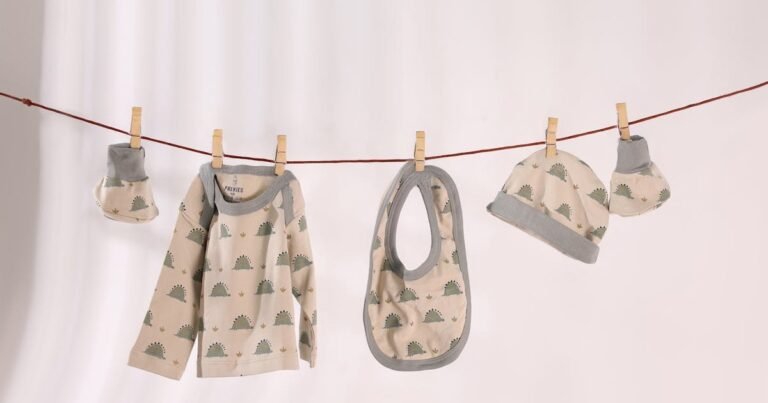
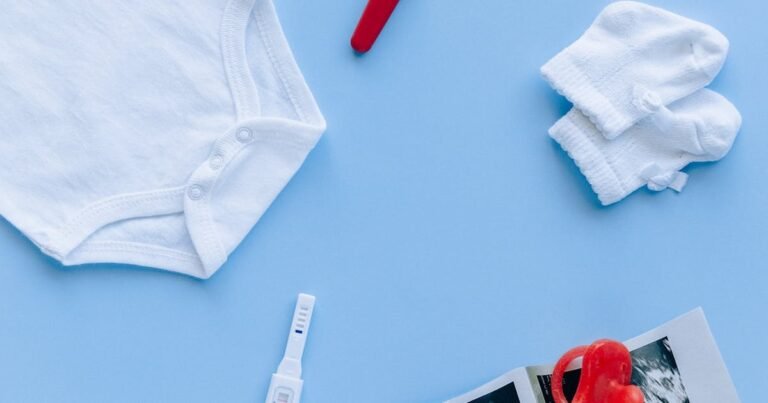
- Going-home outfit. Bring two sizes (newborn and 0 to 3 months) since you will not know baby’s size in advance. Choose something simple with snaps or zippers. Avoid complicated multi-piece outfits.
- A hat and socks or footed outfit. Newborns lose heat quickly, especially on the walk to the car.
- A light blanket for the car ride. Not inside the car seat (blankets should go over the buckled harness, not under), but useful for warmth.
Nice to Have
- A swaddle blanket. Hospitals often provide these, but bringing one you love means familiar scent and fabric from day one.
- A pacifier. If you plan to use one. Some parents wait a few weeks. No pressure either way.
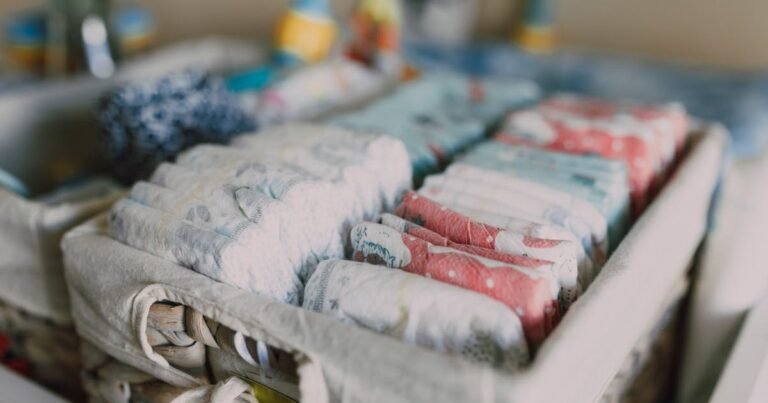
- Newborn diapers and wipes. Your hospital will provide these during your stay, but having extras in the car is helpful for the ride home.
You Can Probably Skip
- Bottles, formula, and feeding supplies. Hospitals supply these during your stay. If you have a specific brand preference, it is reasonable to bring it, but not required.
- Stuffed animals or nursery decor. Cute for photos but adds clutter to a small space.
- Shoes. Newborns do not walk. Socks or footed pajamas are enough.
Packing Tips That Actually Help
- Use two bags. One small bag for labor (phone, charger, lip balm, snacks, birth plan) and one larger bag that stays in the car until you are in your recovery room.
- Put the car seat in the car early. Do not wait until labor day. Install it at 36 weeks and leave it there.
- Pack a plastic bag. For dirty laundry on the way home. It sounds minor but you will appreciate it.
- Leave valuables at home. Jewelry, cash, expensive electronics beyond your phone. Hospital rooms are not secure.
A Quick Note on Hospital Stays
The average hospital stay for a vaginal delivery is about 24 to 48 hours. For a cesarean birth, it is typically 48 to 96 hours. Pack accordingly, but do not overpack. Someone can always bring you something from home if you need it.
FAQ
When should I pack my hospital bag?
Between 35 and 37 weeks is the standard recommendation. If you are high-risk, your provider may suggest packing earlier, around 32 to 34 weeks. Having the bag ready removes one thing from the mental load when labor starts.
How many bags should I bring?
One to two bags total. Many parents find a “labor bag” (small, essentials only) and a “recovery bag” (larger, stays in the car until you are settled) system works well. Avoid packing more than you can carry in one trip.
Should I bring my own diapers and wipes?
Your hospital will provide diapers, wipes, and basic baby care supplies during your stay. Bringing a small pack for the car ride home is helpful but not required.
What if I forget something?
Hospitals are set up to provide the basics. You will not be stranded without toiletries or baby supplies. And a partner, friend, or family member can usually bring forgotten items within a few hours.
Can I bring my own food?
Most hospitals allow outside food. Snacks that do not need refrigeration are easiest. Check your specific hospital’s policy, especially for labor and delivery rooms where policies may differ from recovery rooms.
Do I need to bring bottles if I plan to breastfeed?
No. Hospitals provide feeding supplies, and lactation consultants are typically available during your stay. If you plan to supplement or combo-feed, the hospital can provide formula as well. Bring your own preferred brand if you have one.
This checklist is based on recommendations from hospital systems, midwife guidance, and parent community feedback as of March 2026. Your hospital may have specific requirements or restrictions. Contact your care team for facility-specific guidance.
*BabyNerd has not independently tested these products.*